
See Clearly with Proper Nutrition
Your vision is one of your greatest assets. Discover how the right nutritional choices can support your eye health and help you maintain clear, sharp vision throughout your life. Learn the science-backed strategies that nutrition experts recommend.

The information on this site is for educational purposes only and does not constitute medical advice. Always consult a qualified healthcare professional before making health decisions.
Essential Nutrients for Eye Health
The foods you eat directly impact your vision. Explore the key nutrients that support healthy eyes and clear sight.
Lutein and Zeaxanthin
These powerful antioxidants accumulate in the macula of your eye and filter harmful blue light. Found in dark leafy greens, they help protect against age-related changes in vision.
Omega-3 Fatty Acids
Essential for retinal function and visual development, omega-3s support the structural integrity of the retina. Fatty fish like salmon are excellent natural sources of these critical nutrients.
Vitamins C and E
These vitamins work together as antioxidants to neutralize free radicals that can damage eye cells. Citrus fruits, berries, and nuts are rich sources that support long-term vision health.
Zinc
This mineral helps your eyes absorb lutein and supports the health of the retina. Oysters, beef, pumpkin seeds, and chickpeas provide significant amounts of bioavailable zinc.
Beta-Carotene
Your body converts beta-carotene into vitamin A, essential for night vision and overall eye function. Orange and red vegetables are packed with this vision-supporting nutrient.
Anthocyanins
These flavonoids give berries their deep colors and provide powerful antioxidant protection for eye tissues. Blueberries and blackberries are particularly rich in eye-supporting anthocyanins.
The Connection Between Nutrition and Clear Vision
Your eyes are living tissues that require constant nourishment to function optimally. Every day, your retina processes light and sends visual information to your brain—a process that demands significant energy and antioxidant protection.
When you lack essential nutrients, your eyes cannot repair damage from oxidative stress and environmental factors like UV exposure and blue light. Over time, this nutritional deficit can impact your visual clarity and comfort.
Research consistently shows that people who consume nutrient-rich foods—particularly those high in antioxidants, healthy fats, and minerals—maintain sharper vision and experience fewer vision-related complaints as they age. By making informed nutritional choices today, you invest in your visual health for decades to come.
Explore Our Nutrition Guide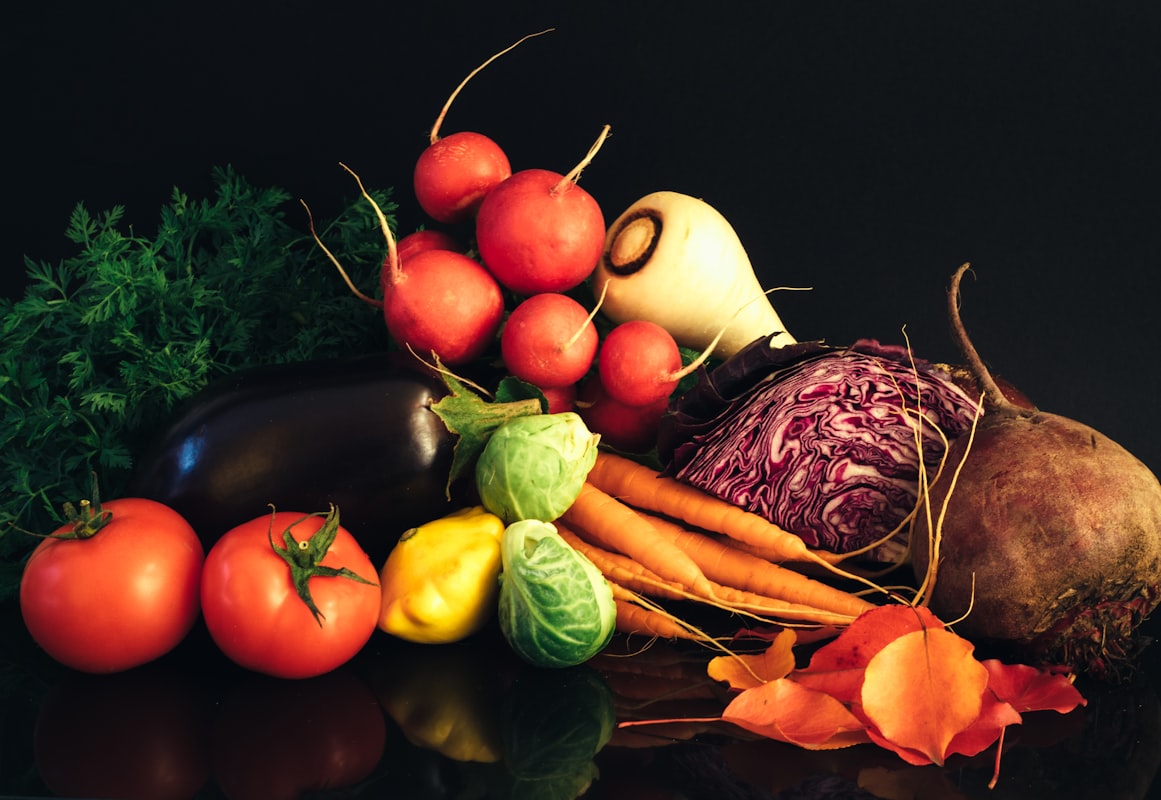
Your Path to Healthier Vision
Follow these evidence-based steps to support your eye health through nutrition.
Assess Your Current Diet
Review what you eat regularly and identify gaps in vision-supporting nutrients like leafy greens, fish, and colorful vegetables.
Add Key Foods
Gradually incorporate lutein-rich spinach, omega-3 sources like salmon, and antioxidant-packed berries into your meals.
Build Lasting Habits
Make these nutritional changes part of your daily routine by meal planning and keeping healthy options readily available.
Monitor and Adjust
Notice improvements in eye comfort and visual clarity, and adjust your nutrition strategy based on what works best for you.
Why Choose Our Nutrition-Focused Approach
We provide evidence-based, practical guidance rooted in nutrition science.
Science-Based Content
All our articles and guidance are grounded in peer-reviewed research and current nutritional science about vision health.
Practical Meal Ideas
We share real recipes and meal plans that make it easy to incorporate vision-supporting nutrients into your everyday cooking.
Clear, Accessible Information
Complex nutrition concepts are explained in straightforward language so anyone can understand how food impacts their eyes.
Ongoing Resources
Our blog and guides are regularly updated with the latest findings about nutrition, vision health, and how to live better.
Holistic Approach
We explore not just individual nutrients but how complete, balanced nutrition supports overall eye function and visual clarity.
Community Focus
We foster a community of people committed to supporting their eye health through better nutrition and informed lifestyle choices.
What Our Readers Say
Real experiences from people who have improved their vision through better nutrition.
"I started reading the articles about lutein and dark leafy greens, and I was amazed at how simple changes to my diet made such a difference. After three months of eating more spinach and salmon, my eye strain decreased noticeably. The information here is practical and actually works. Highly recommend these resources to anyone who wants to take care of their vision naturally."
"As someone who spends all day on screens, I was worried about my vision. The nutrition guide explained how antioxidants protect against blue light damage, and I appreciated learning about omega-3 sources beyond just fish. The meal ideas are delicious, and I feel like I'm actually investing in my eye health rather than just hoping it stays good."
"My family has a history of vision problems, so I'm being preventative. This website gave me clear, science-backed information about which nutrients matter and how to get them from food. I love that everything is explained without medical jargon. My whole family is now enjoying the recipes, and we feel confident we're doing something good for our eyes."
"I recommend these articles to all my friends. The information about zinc, lutein, and zeaxanthin is thorough but easy to understand. What impressed me most was the honest explanation of what nutrition can and cannot do—no exaggerated promises, just solid facts. That's exactly what I needed to make better food choices for my eye health."
Frequently Asked Questions
Common questions about nutrition and vision support.
Most people notice improvements in eye comfort and reduced strain within 4 to 8 weeks of consistently eating vision-supporting foods. However, deeper changes in visual clarity may take 3 to 6 months or longer, as it takes time for nutrients to accumulate in the retina and protective eye tissues. Individual results vary based on your starting nutrition level and overall health.
Nutrition plays a vital role in supporting eye health, but it is one part of a comprehensive approach. Regular eye exams, proper lighting, managing screen time, wearing appropriate eyewear, and protecting your eyes from UV damage are equally important. Think of nutrition as an essential foundation that works best alongside these other lifestyle practices for optimal vision support.
Dark leafy greens like spinach and kale are exceptionally rich in lutein and zeaxanthin. Fatty fish such as salmon and mackerel provide concentrated omega-3s. Berries offer high levels of anthocyanins, while orange vegetables contain abundant beta-carotene. Eggs are particularly nutrient-dense, providing lutein, zeaxanthin, and choline. For zinc, oysters, beef, and pumpkin seeds are excellent choices. A varied diet including all these foods ensures you get a full spectrum of eye-supporting nutrients.
Most vision-supporting nutrients are best obtained from whole foods, which contain them in bioavailable forms along with beneficial fiber and other compounds. If you eat a varied diet rich in leafy greens, fish, nuts, and colorful vegetables, you typically get adequate amounts of the key nutrients. However, some individuals with dietary restrictions or specific health situations may benefit from supplements. We recommend consulting with a nutritionist to assess your individual needs and determine whether supplementation is appropriate for you.
Yes. Lutein and zeaxanthin are particularly important for protecting against age-related changes in the macula. Vitamin C and E work together as antioxidants to protect cells from oxidative damage accumulated over decades. Omega-3 fatty acids support ongoing retinal health. Zinc helps maintain the structural integrity of the retina. Anthocyanins and other polyphenols from berries provide additional protective effects. A diet consistently rich in these nutrients throughout your life supports healthy vision as you age.
Blue light from screens and sunlight can increase oxidative stress in eye tissues over time. Lutein and zeaxanthin naturally filter blue light and protect the macula from its effects. By consuming adequate amounts of these carotenoids through diet, you strengthen your eyes' natural defense against blue light exposure. Additionally, antioxidants like vitamins C and E help repair any damage caused by excessive blue light. Combining good nutrition with practical screen management creates a comprehensive strategy for protecting your eyes in our digital age.
Start Supporting Your Vision Today
Explore our comprehensive articles and guides to learn how proper nutrition can help you maintain clear, healthy vision. Whether you're looking to prevent future vision changes or improve your current eye health, we provide evidence-based information you can trust and use immediately.