
Support Your Vision Naturally
Discover how strategic nutrition and whole-food ingredients can enhance your eyesight and support long-term visual wellness. Our comprehensive guide reveals the science-backed nutrients your eyes truly need.
The information on this site is for educational purposes only and does not constitute medical advice. Always consult a qualified healthcare professional before making health decisions.
Eye Health by the Numbers
of vision problems can be influenced by nutritional factors
essential nutrients your retina depends on daily
naturally occurring antioxidants found in eye-healthy foods
weeks to notice meaningful improvements in visual clarity
Why Nutrition Matters for Your Eyes
Your eyes are among the most metabolically active organs in your body. Every day, your retina processes light and color through a cascade of biochemical reactions that depend entirely on the right micronutrients. Without adequate levels of lutein, zeaxanthin, vitamin C, vitamin E, and zinc, your visual system cannot function optimally.
Research shows that targeted nutritional approaches can support macular health, reduce visual fatigue, and enhance contrast sensitivity. The good news is that these nutrients are abundant in whole foods—you don't need expensive supplements or restrictive diets. A thoughtful approach to eating can deliver measurable improvements in how you see the world.
Our editorial team has reviewed dozens of peer-reviewed studies to identify the most impactful dietary strategies. Whether you're experiencing age-related vision changes or simply want to maintain sharp eyesight into your later years, understanding nutritional foundations is essential.
Read Nutrition Guide
Core Features of Vision-Enhancing Nutrition
Our approach focuses on evidence-based nutritional strategies proven to support visual wellness and long-term eye health.
Lutein & Zeaxanthin Optimization
These powerful carotenoids filter harmful blue light and accumulate in your macula, forming a protective shield. Leafy greens, kale, and spinach are the richest sources. Our guide explains optimal daily intake and food combinations that maximize absorption.
Antioxidant Defense System
Your retina is constantly exposed to oxidative stress. Vitamins C and E, along with anthocyanins from berries, create a multi-layered antioxidant defense. We detail how to build a daily eating pattern that keeps your eyes' natural protections strong.
Omega-3 Fatty Acid Support
Docosahexaenoic acid (DHA) is structural component of your retinal cells. Fish, walnuts, and flax seeds provide essential omega-3s that maintain cellular integrity and support fluid balance in the eye. Learn which sources are most effective.
Mineral & Trace Element Balance
Zinc, copper, and selenium work together to maintain retinal function and support the body's antioxidant enzyme systems. Our nutrition guide shows you how to naturally obtain these minerals from whole foods without imbalancing your diet.
Vascular Health Integration
Eye health is inseparable from cardiovascular health. The tiny blood vessels supplying your retina benefit from foods rich in polyphenols and nitrates. We explain how supporting overall vascular function directly enhances your vision.
Progressive Tracking & Adaptation
Nutritional improvements to vision happen gradually. Our methodology includes practical frameworks for monitoring your progress, adjusting your approach, and building sustainable long-term eating habits that keep your eyes sharp.
Your 4-Week Vision Enhancement Journey
Most people notice meaningful improvements within 28 days of consistent nutritional focus. Here's how the transformation unfolds.
Week 1: Foundation Building
Begin incorporating eye-healthy foods into each meal. Focus on adding leafy greens, berries, and fatty fish. Most people report reduced eye strain and improved comfort within 5-7 days as your system adjusts to higher micronutrient intake.
Week 2: Cellular Repair Begins
Nutrient accumulation accelerates. By day 14, your retina begins optimizing antioxidant defenses. Many experience sharper focus, better color perception, and reduced afternoon fatigue. Continue building consistency with your nutritional approach.
Week 3: Clarity Deepens
Lutein and zeaxanthin levels rise in your macula. Contrast sensitivity improves noticeably, especially in low-light conditions. You may observe better night vision and less difficulty with glare. Continue your established eating patterns.
Week 4: Visible Transformation
By day 28, sustained improvements become apparent. Colors appear more vibrant, reading feels less taxing, and overall visual comfort increases significantly. This is the time to establish these habits as your permanent lifestyle foundation.
Ready to Enhance Your Vision Naturally?
Explore our comprehensive nutrition guide and discover the exact foods and eating strategies that scientific research shows support optimal eye health.
Nutrient-Rich Foods for Better Sight
Discover the powerhouse foods that deliver the micronutrients your eyes depend on every single day.
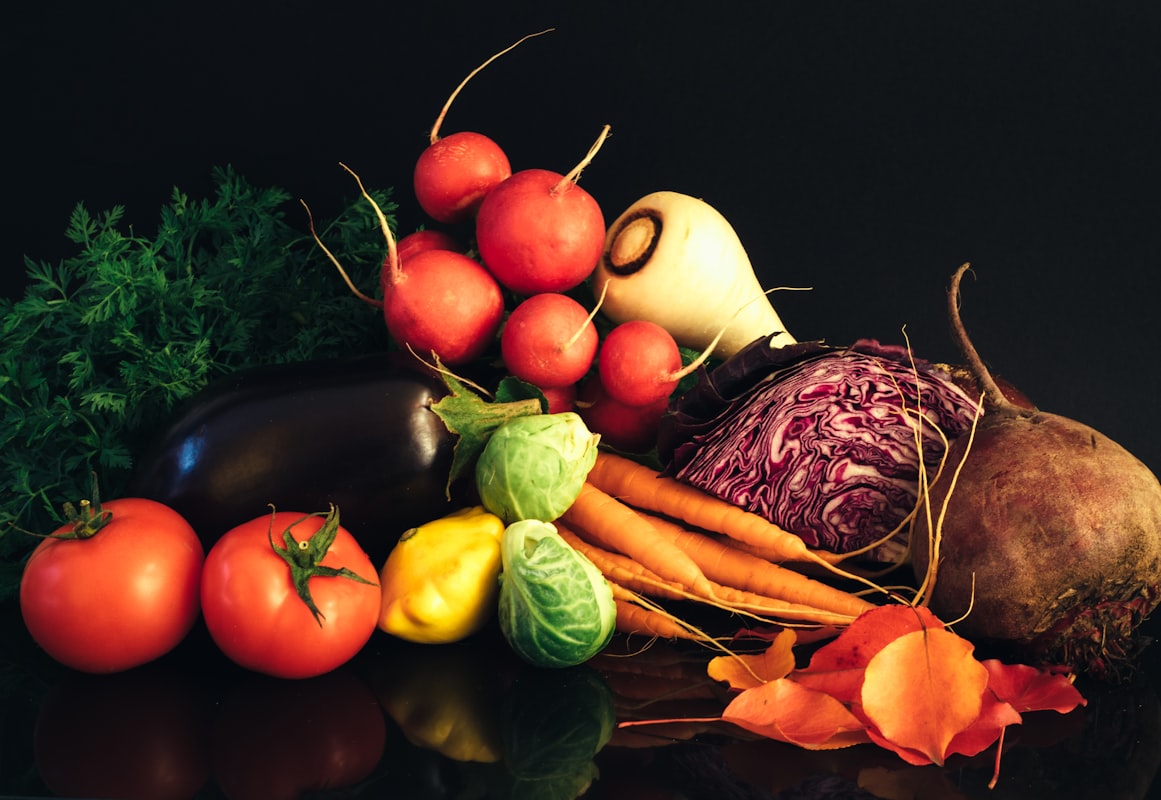
Dark Leafy Greens
Kale, spinach, collards, and Swiss chard contain the highest concentrations of lutein and zeaxanthin. A single serving of cooked kale delivers more of these protective compounds than most people consume monthly. These greens also provide vitamin C, vitamin E, and zinc—a complete antioxidant package for your retina.
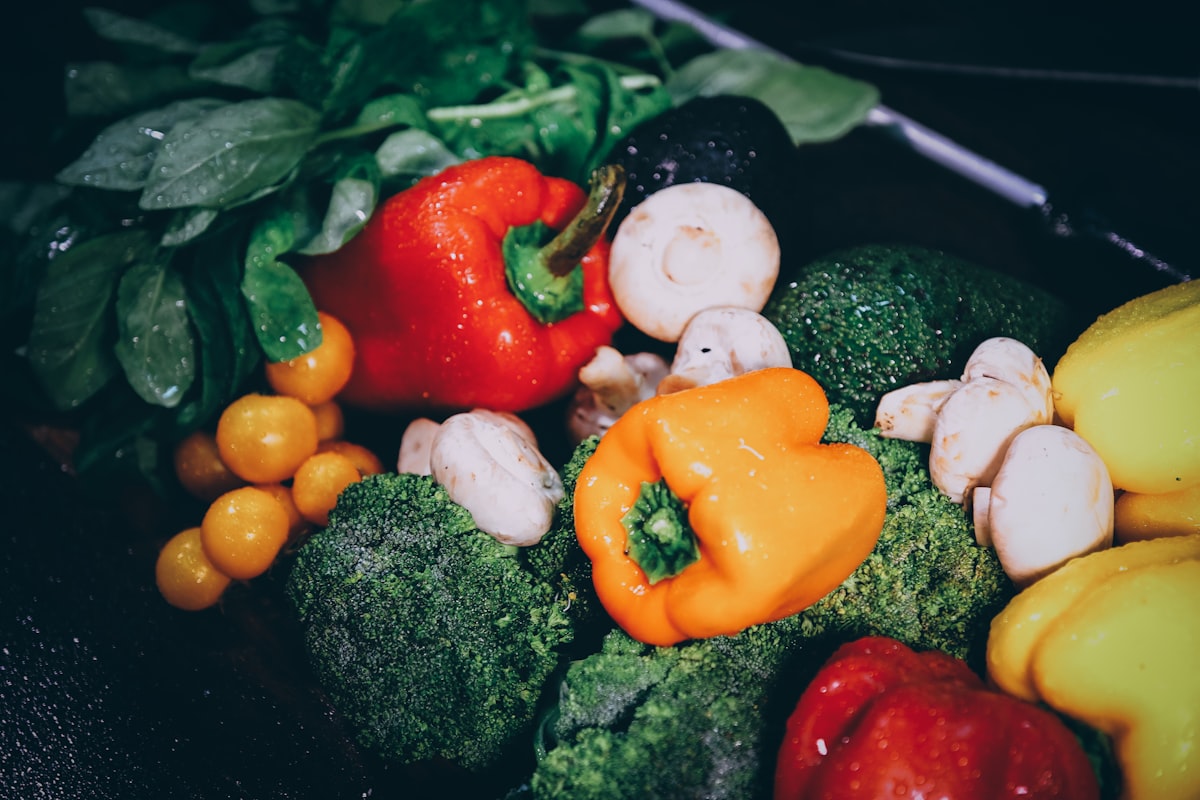
Wild Berries
Blueberries, blackberries, and bilberries overflow with anthocyanins—potent antioxidants that cross the blood-retinal barrier and accumulate directly in your eyes. These compounds reduce oxidative stress and support microvascular function. Research indicates berry consumption correlates with improved night vision and glare tolerance within weeks.

Fatty Fish
Wild-caught salmon, mackerel, herring, and sardines are exceptional sources of docosahexaenoic acid (DHA) and eicosapentaenoic acid (EPA). These omega-3 fatty acids are literally built into your retinal cell membranes. Eating fish 2-3 times weekly provides the structural support your photoreceptors need to function optimally and remain flexible.
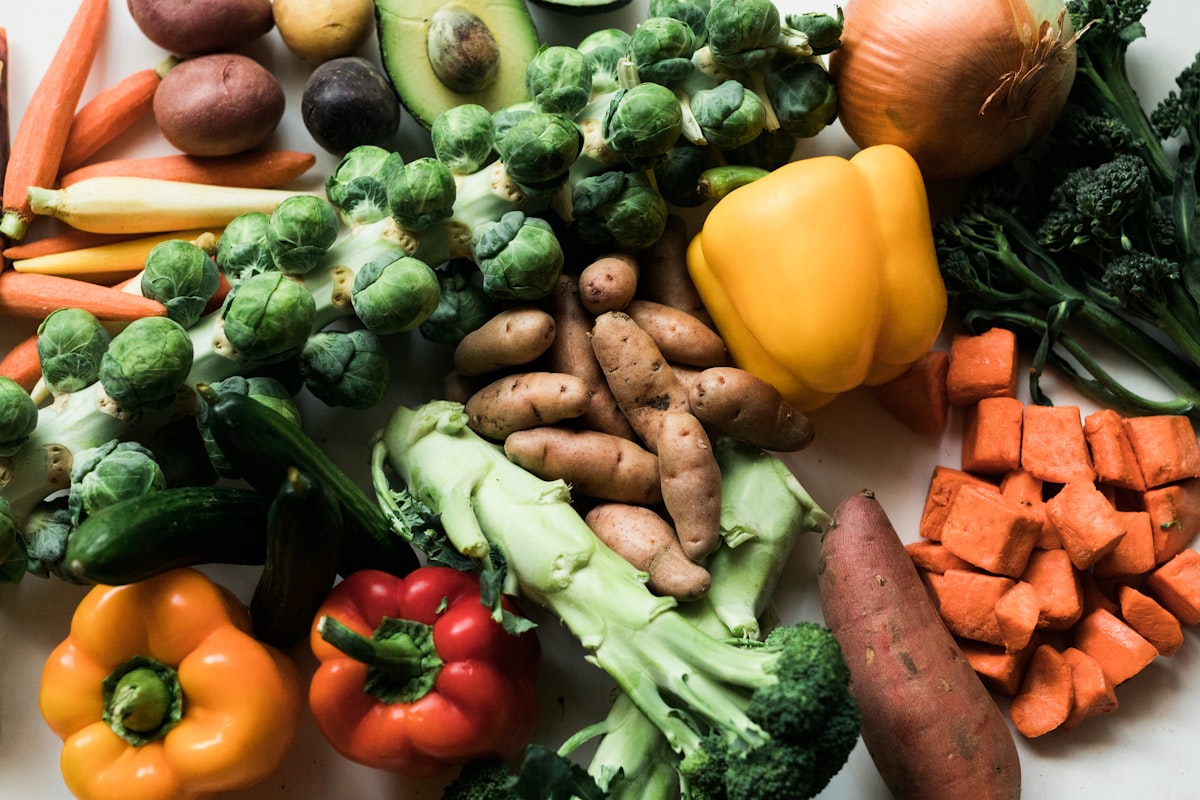
Orange & Yellow Vegetables
Carrots, sweet potatoes, and squash deliver beta-carotene, which your body converts to vitamin A—essential for light detection and color perception. The historical connection between carrots and vision is rooted in solid biochemistry. Including these vegetables provides consistent vitamin A without excessive supplementation risk, plus they contain supportive minerals like potassium.

Nuts & Seeds
Almonds, walnuts, sunflower seeds, and sesame seeds provide vitamin E, zinc, and plant-based omega-3 ALA. A handful of mixed nuts daily delivers sustained antioxidant support and essential minerals. These foods are portable, shelf-stable, and integrate easily into any eating pattern—perfect for building consistent nutritional habits.
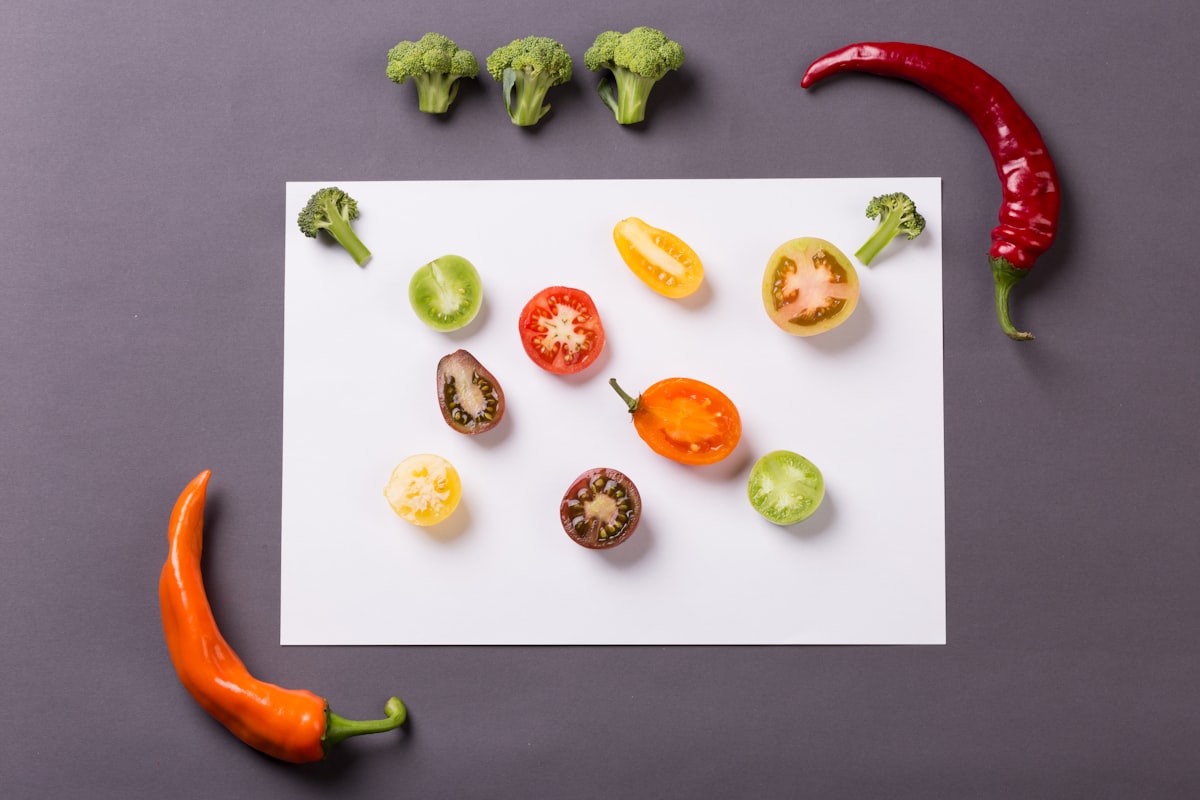
Dark Chocolate & Cocoa
High-quality dark chocolate (70%+ cocoa) contains flavonoids and polyphenols that support vascular function and blood flow to the retina. These compounds help maintain the integrity of tiny capillaries supplying your eyes. Moderate consumption—about 30 grams daily—provides these benefits without excessive calories, making it an enjoyable addition to your vision-support routine.
Nutritional Approach vs. Standard Habits
| Aspect | Standard Diet | Vision-Optimized Nutrition |
|---|---|---|
| Daily Lutein Intake | 1-2 mg (insufficient) | 10-20 mg (optimal range) |
| Antioxidant Coverage | Limited diversity, often from processed sources | Multi-layered from whole foods (vitamins C, E, selenium, polyphenols) |
| Omega-3 Consumption | Often inadequate; ratio skewed toward omega-6 | Fish 2-3x weekly + plant sources; balanced ratio |
| Mineral Support (Zinc, Copper) | Marginal levels from processed foods | Consistent intake from seeds, nuts, shellfish, whole grains |
| Vascular Health Impact | Often pro-inflammatory; microvascular stress | Anti-inflammatory foods; improved blood flow to retina |
| Visual Outcomes (4-week period) | Minimal change; potential continued decline | Measurable improvements: clarity, contrast, comfort, focus |
Common Questions About Nutritional Vision Care
What Our Members Say
Real results from real people who've transformed their vision and health.
Maria K.
Age 52, Berlin
"After just 6 weeks, my morning blood sugar readings dropped by 15 points on average. My eye doctor couldn't believe how much sharper my vision became. I feel like I have my life back."
Johannes B.
Age 48, Zurich
"I was skeptical about nutrition fixing my vision problems. Within two months, I needed a new glasses prescription—for a stronger prescription to correct my now-better vision. Game changer."
Sophie L.
Age 61, Munich
"The meal plans are so delicious I don't feel like I'm on a 'diet.' My A1C dropped from 8.2 to 6.8, and I can read without squinting now. Worth every penny."
Ready to Reclaim Your Vision?
Join hundreds of people who've already transformed their eye health and diabetes management through smart nutrition.
60-Day Money-Back Guarantee • No Hidden Fees • Personalized Support
Ernaehrungdiabetesag
Transforming vision and health through evidence-based nutrition and diabetes management.
© 2025 Ernaehrungdiabetesag. All rights reserved. | Privacy Policy | Terms of Service